You already know the problem. Revenue per visit is lower than it should be. Coding varies across your sites in ways that are hard to explain. Last winter's volume didn't fully translate to last winter's revenue.
What you might not know is how to get something done about it before fall, especially when budgets are tight, bandwidth is limited, and the path from "we should fix this" to "it's live and running" can feel murky.
Here's how to make it happen in the next 60 days.
Step 1: Quantify the Gap (Week 1-2)
Before you can get internal buy-in, you need a number. Not an estimate, a real view of what undercoding is costing your organization.
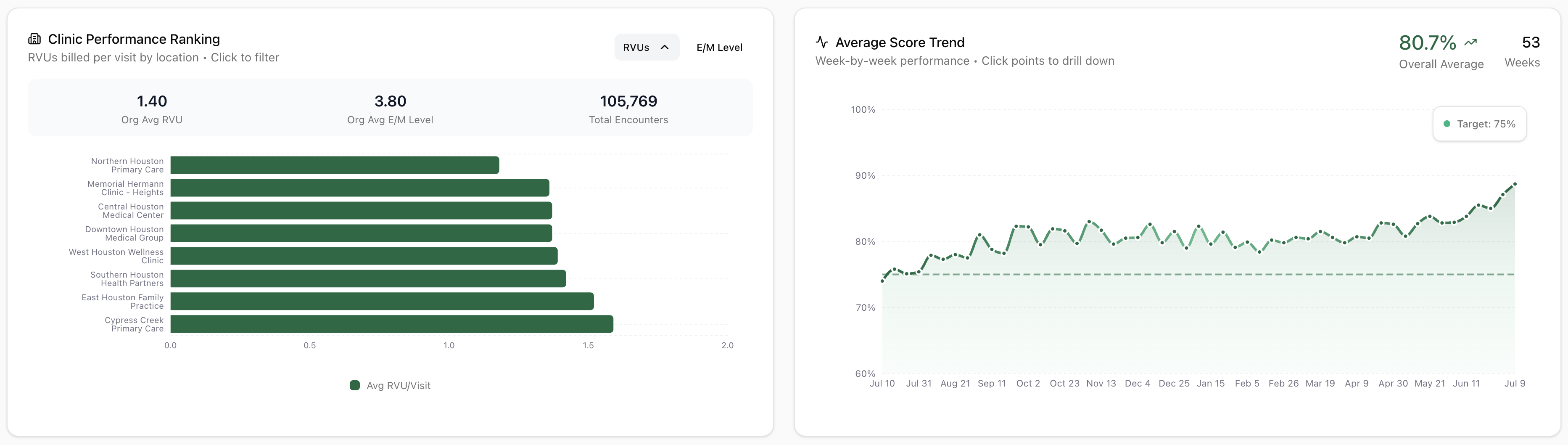
The fastest way to do this is a coding distribution analysis across your sites. Look at your E/M level spread by location and by provider type. If your average E/M level is lower than national benchmarks for your visit mix, you have a coding gap. If it varies significantly across sites with similar acuity, you have a system problem.
Most organizations find this gap in the first review. The number is almost always larger than expected, and it's the number that gets a CFO or CEO to take the meeting.
Step 2: Build the Internal Case (Week 2-3)
The framing matters. This is not a coding audit. It's a revenue audit. The distinction is important because "audit" triggers defensiveness; "revenue opportunity" triggers interest.
Your internal pitch should answer three questions:
- What is the gap costing us annually, across all sites?
- What does fixing it require operationally, and what doesn't it require?
- Why is now the right time, and what happens if we wait until next year?
The answer to the third question is the most powerful: if you wait until fall to address a coding problem, you'll discover it again in January. The slow season is the only window to fix it without losing revenue in the process.
On the operational question: the strongest objection you'll face internally is "we don't have bandwidth for an implementation right now." The right answer is that a modern coding review solution runs on your existing charts and writes back to your EHR; it doesn't require a new workflow, a new system, or significant time from your clinical team. The implementation lift is front-loaded and manageable in summer precisely because volume is low.
.png)
Step 3: Resolve the Budget Question (Week 3-4)
Summer cash flow is tight for most primary care and urgent care organizations. This is often the reason a good decision gets deferred to Q4, which is exactly the wrong time to start.
The key insight for your CFO or COO: a solution that gets started in July and is fully operational by September generates ROI during the highest-revenue months of the year. The return is front-loaded relative to the investment.
Ask your vendor about how they structure engagements for summer starts. Many will work with you on payment timing to align the financial outlay with the revenue impact, which makes the conversation with your CFO significantly easier.
Step 4: Get It Live (Week 4-8)
Once approved, the implementation timeline matters. A typical coding review implementation involves:
- EHR integration and chart access setup
- Initial coding analysis and baseline benchmarking
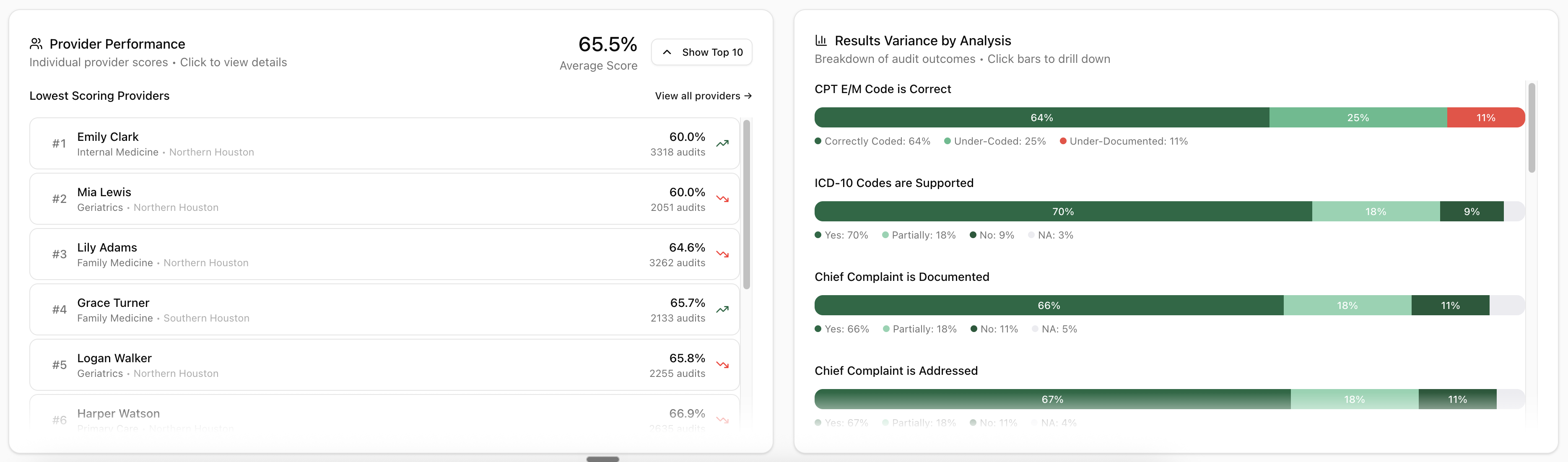
- Provider feedback loop configuration: how corrections and insights get surfaced to your clinical team
- Go-live and first review cycle
If you start the approval process in early July, you can realistically be live and running by mid-to-late August, with enough time to see your first results and train your providers before the fall volume spike.
The Cost of Waiting
Every week of delay in July is a week closer to fall with the same coding problem you had last winter. The operational window to implement without disruption closes as volume climbs. And the financial window, to structure an engagement that works with your slow-season cash flow, closes at the end of summer.
The groups that go into fall ready aren't the ones with the best intentions. They're the ones that used the slow season to act.